
Why Constructive Approval is Not a Win
Massachusetts municipalities must begin accepting consolidated local permit applications for small clean energy projects on October 1, 2026, under an untested framework. Applicants who elect that path get one application, one decision, and a firm twelve-month clock the municipality cannot extend. Miss it and the permit issues anyway, by constructive approval — which is a developer's “fail-safe” but is actually the worst version of a yes. Here's why both sides should want a decision on time, and three things each can do before the first application arrives.
Massachusetts Is Rewriting the Ground Rules for Battery Siting
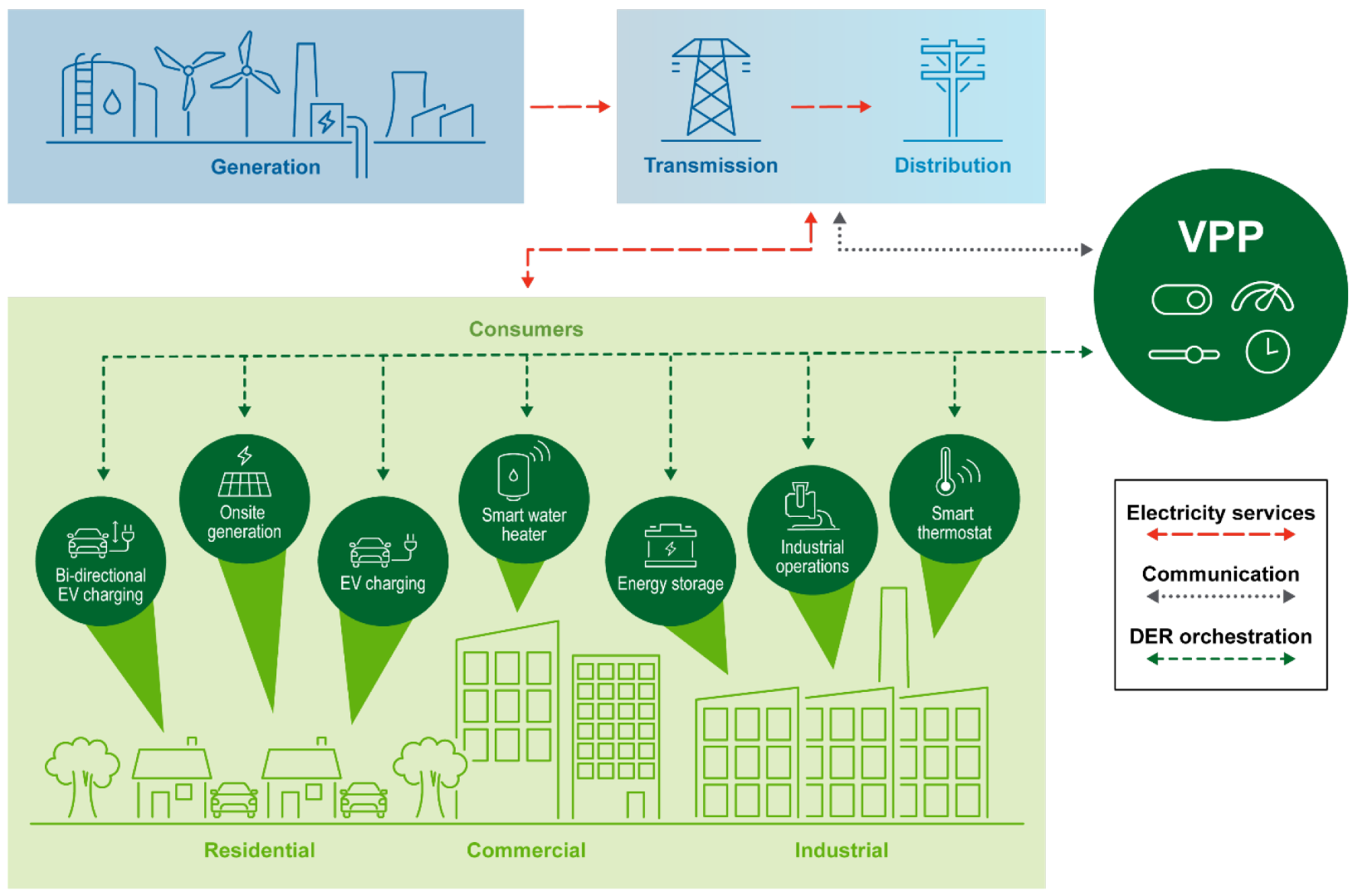
Massachusetts is making demand-side resources a factor in battery siting. Executive Order 654 sets a 3.5 GW demand-reduction target on the ISO-NE grid that peaked at 26 GW last summer. The Senate's energy bill would incorporate VPP aggregation into consolidated distribution planning. And National Grid has already identified specific feeder projects it can defer with VPPs instead of wires.
Put those together and a new question is raised for every constrained location: does this need front-of-the meter storage, or can aggregated demand solve the bottleneck?
I describe what that will mean for BESS developers, whose siting analysis should anticipate the question "why not a VPP here?" And for C&I facility owners, some of whom mange real estate considerably more valuable than they realize. ConnectedSolutions already pays commercial participants $30–200/kW-year depending on location.
Where do you see demand-side alternatives realistically substituting for front-of-meter storage — and where can't they?
Vermont's Grid Is Small. Its Ambitions Aren't.
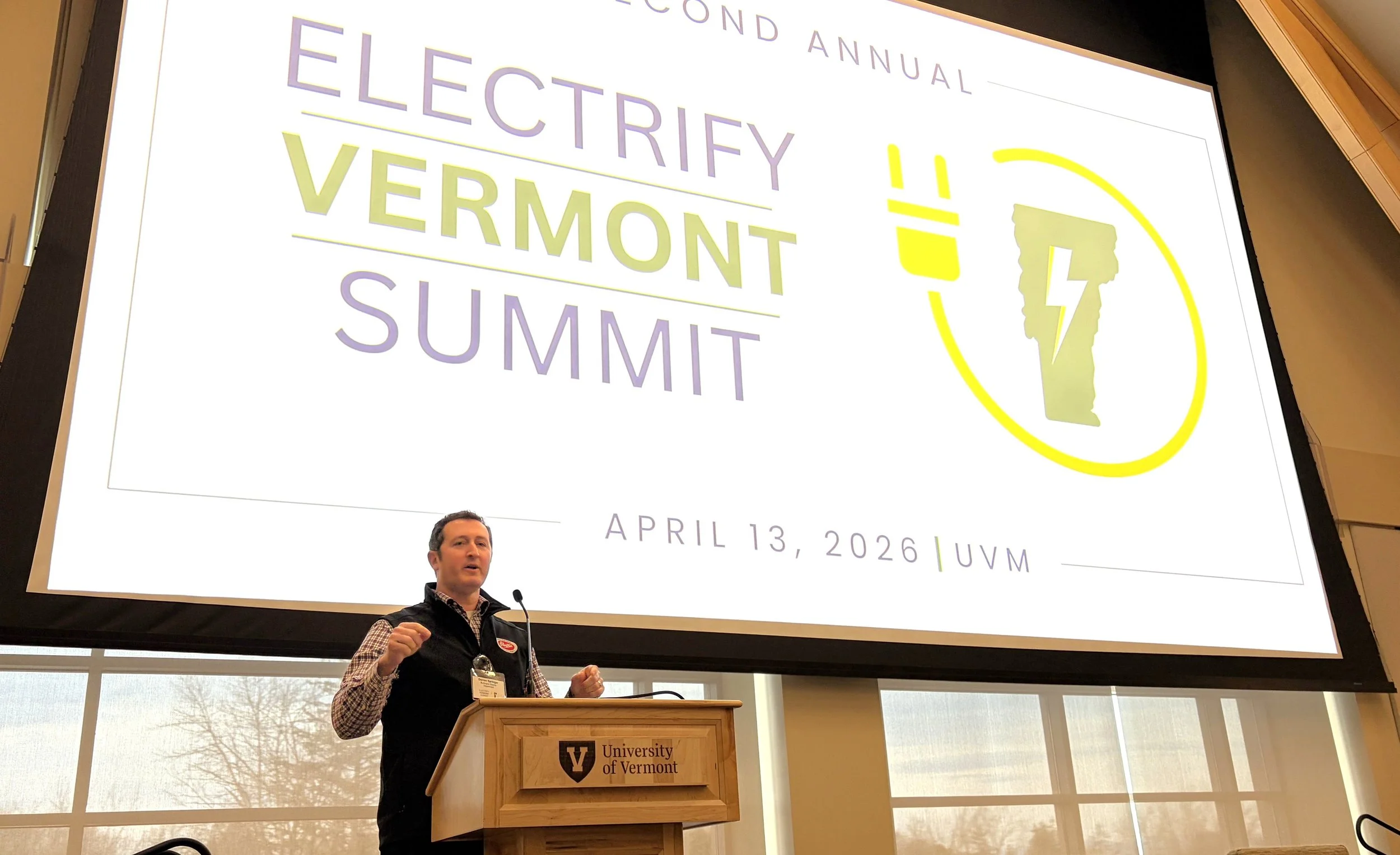
Vermont's Second Annual Electrify Vermont Summit sold out before the doors opened yesterday. That alone says something. I spent the day at UVM's Dudley Davis Center in Burlington with researchers, utilities, policymakers, and practitioners debating some of the hardest questions in energy right now — affordability, grid resilience, and why proven solutions aren't scaling fast enough to meet clean energy goals. One takeaway: the technology isn't the problem. Market access and political will are.
A Field Report from the ACP Siting & Permitting Conference 2026
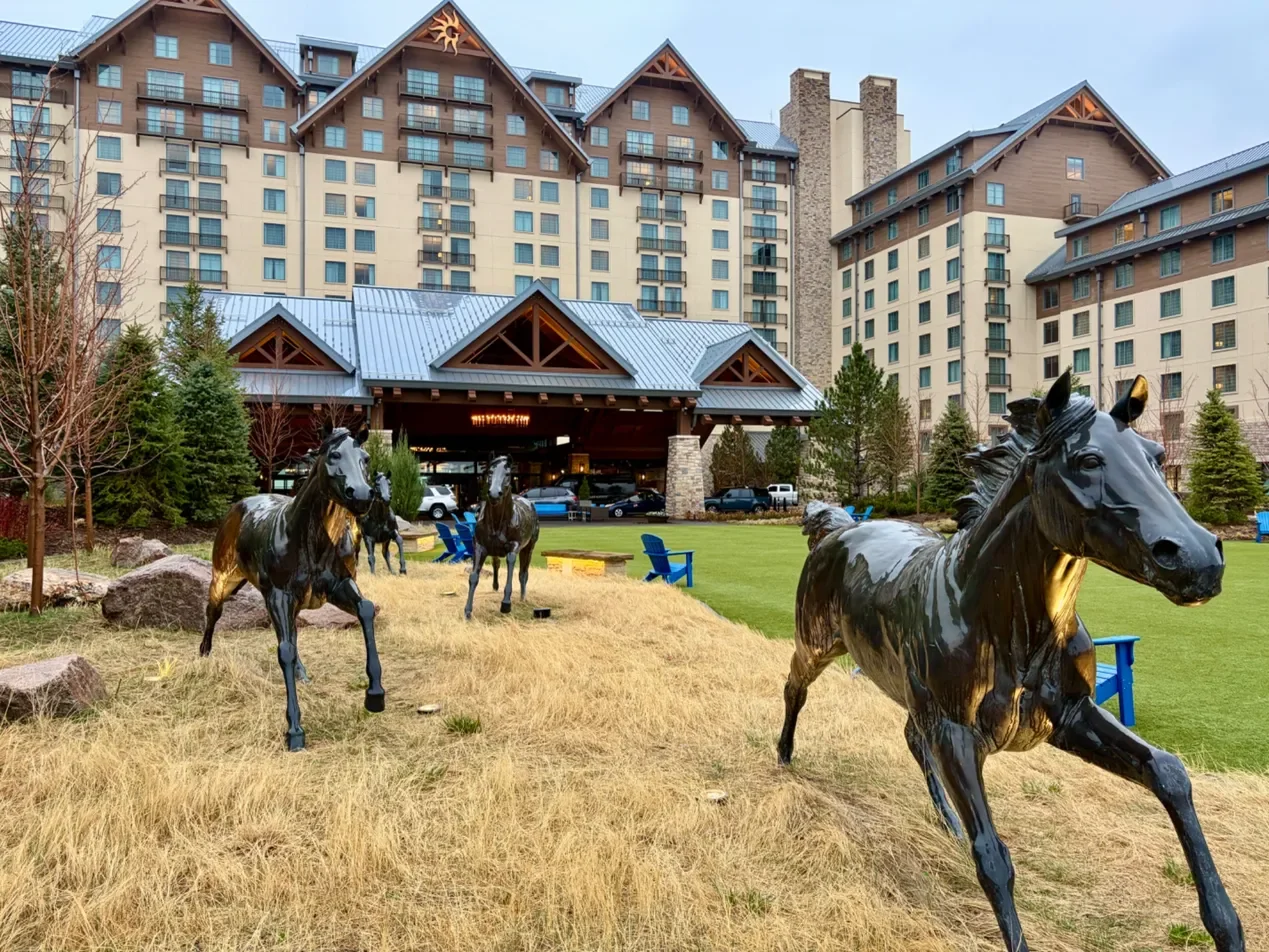
I just returned from the ACP Siting & Permitting Conference in Aurora, Colorado, and the mood in the room was not what you might expect from an industry that has spent the last year absorbing headwinds from Washington. What I found instead was steely resolve — a clean energy industry energized by surging data center demand, reinforced by a wave of battle-tested offshore wind professionals finding new roles across solar, storage, and transmission, and disciplined by a rising financial close bar that is putting a premium on getting permitting right the first time. AI tools for siting and permitting were a consistent topic of conversation, with genuine interest but adoption still catching up to awareness. Read the full field report for my five takeaways from one of the most important gatherings in clean energy development.

Clean Energy Has Never Been Harder to Build — or Needed More
Something shifted in the last few weeks. And I don't think the clean energy industry has fully absorbed it yet.
The conflict that began February 28th sent oil past $100 a barrel and shut down 19% of global LNG trade through the Strait of Hormuz almost overnight. But here's what I keep coming back to: the geopolitical shock didn't create the problem. It landed on top of a set of structural pressures that were already reshaping the economics of clean energy development.
Rising utility bills. Surging electricity demand from AI and data centers. New regulatory frameworks that formalize expectations that used to be negotiated informally. Novel technologies that communities and regulators haven't evaluated before.
Any one of these would be manageable. Together, they've changed something fundamental about how this work gets done — and what it costs to get it wrong early.
I've written about permitting reform, about AI tools, about the gap between clean energy ambition and local reality. This post tries to connect those threads into a single argument.
The margin for error in front-end project development has shrunk. The urgency to get it right has never been greater.
The math has changed.
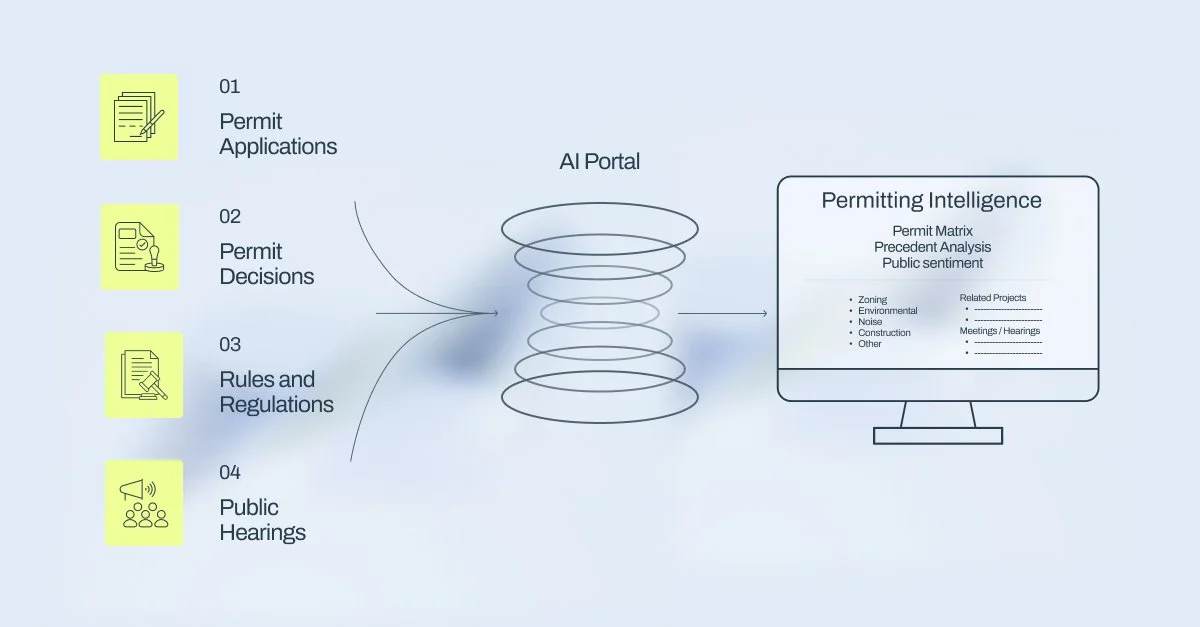
What I Wish I'd Had: AI Tools for Early-Stage Energy Development
Most permitting delays don’t begin during hearings. They begin months earlier at the front end when teams are making site selection and strategy decisions with incomplete intelligence. I’ve spent years building permitting matrices for substations, storage projects, and transmission upgrades. The work is thorough. But what those matrices rarely capture are the signals that shape outcomes: precedent from similar proceedings, patterns in local board decisions, emerging community sentiment. When you’re screening one site, that gap is manageable. When you’re screening a portfolio across multiple jurisdictions, it becomes expensive. In my latest article, I explore what I wish I’d had earlier in my career: better front-end permitting intelligence and why AI tools are starting to change how development teams approach early-stage risk.
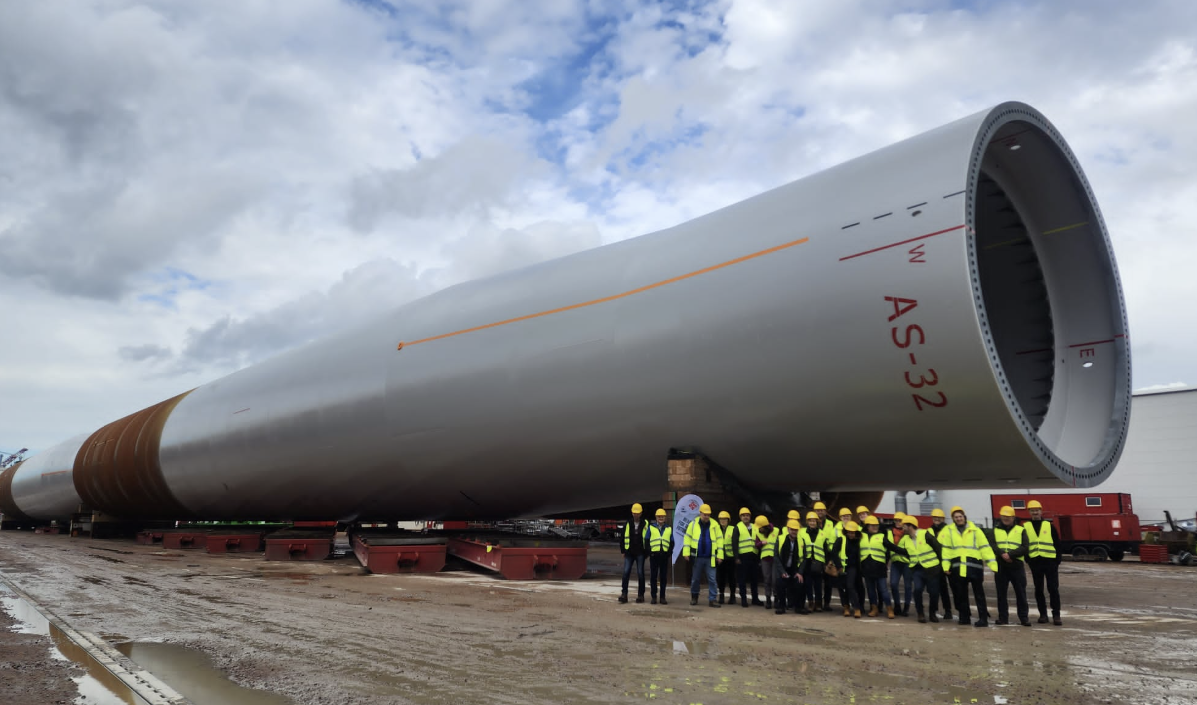
The Right Ways to Speed Energy Permitting
My years permitting offshore wind shape how I think about the current push to speed energy permitting, and why I believe some of the approaches being tried right now will make things worse, not better. My latest post explores what's driving the frustration, what smarter reform actually looks like, and why better tools, including AI, may be an underutilized lever that makes positive impacts.
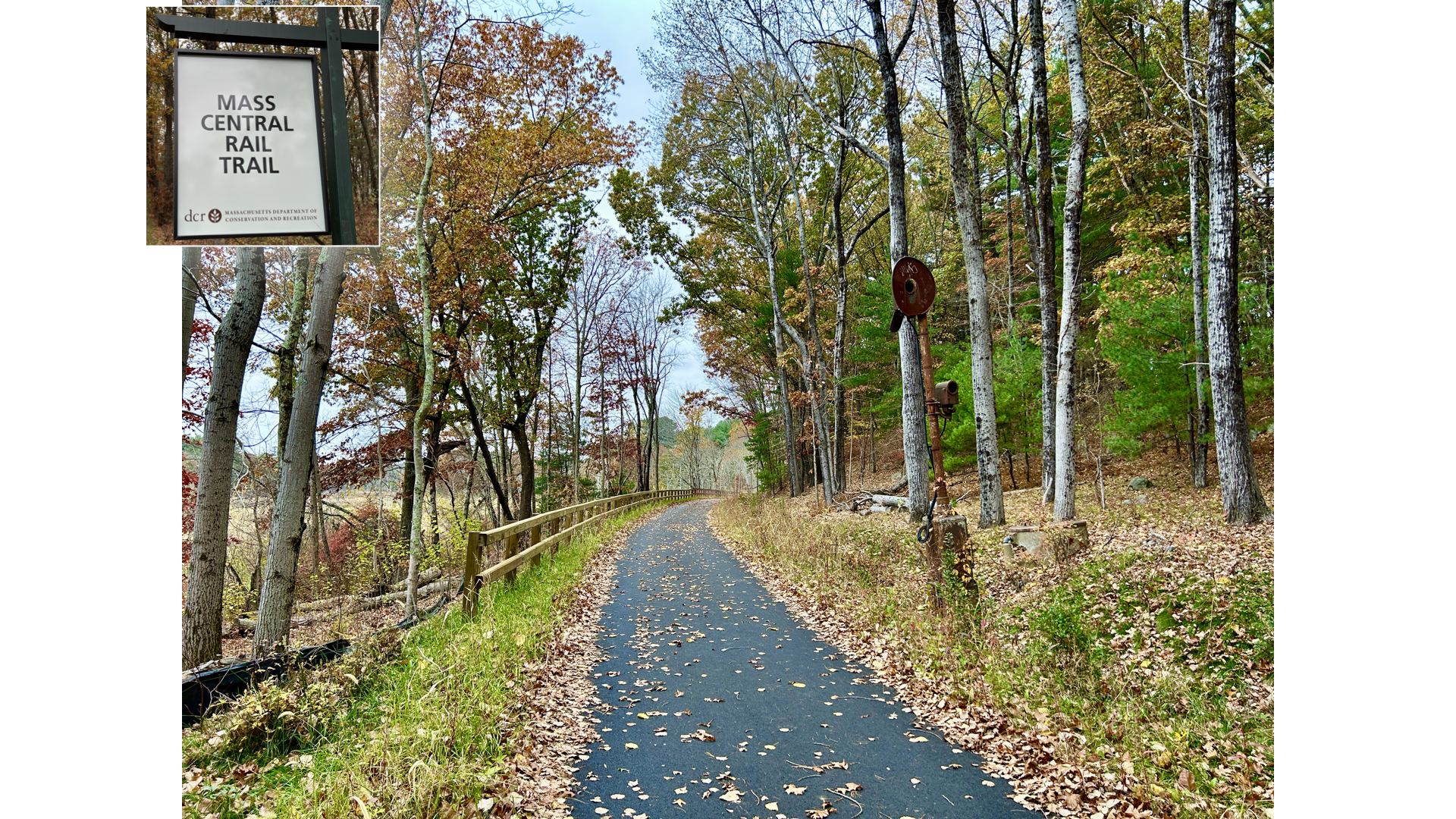
Fixing the Bottleneck: How Real Permitting and Siting Reform Can Speed the Clean-Energy Transition
Siting and permitting reform offer real opportunities in the clean-energy transition, if done right. I’ve seen it up close, from the decade-long Sudbury–Hudson Reliability Project to the new reforms underway in Massachusetts, New York, and beyond. The goal isn’t to weaken standards—it’s to modernize them. Here’s my take on how smart, well-designed reform can help us build faster, more predictably, and with greater public trust.

Bridging the Gap Between Clean-Energy Ambition and Local Reality
The project was proposed to be built on a struggling family dairy farm, with the owners counting on the solar lease payments to help keep their farm viable. That moment has stuck with me. It’s one reason I launched CBR Energy Solutions: to help bridge the gap between clean-energy ambition and local reality.