
A Field Report from the ACP Siting & Permitting Conference 2026
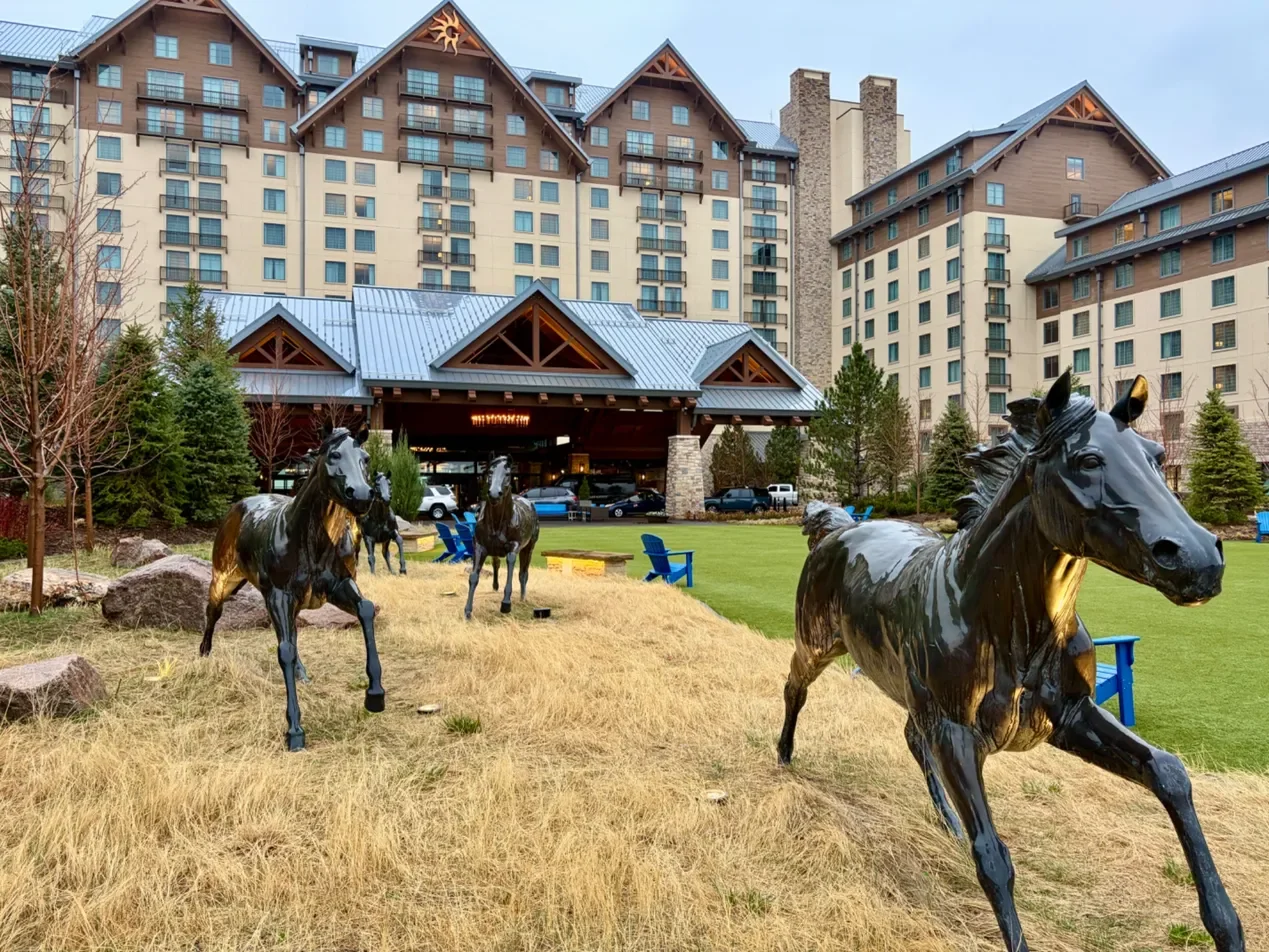
Outside the Gaylord Rockies Resort in Aurora, Colorado — where the 2026 ACP Siting & Permitting Conference was held.
Outside the Gaylord Rockies Resort in Aurora, Colorado, a herd of bronze horses charges across the lawn — frozen mid-gallop, permanent, going nowhere. It's a good image for thinking about energy transitions. Horses once powered everything. Then they didn't. The shift felt unthinkable until it was inevitable.
I thought about those horses as I waited for my ride to leave the ACP Siting and Permitting Conference yesterday. Because the mood inside wasn't what you might expect from an industry that spent the last year absorbing body blows from Washington.
It was something tougher than optimism. Call it steely resolve.
The headwinds are real. So are the tailwinds.
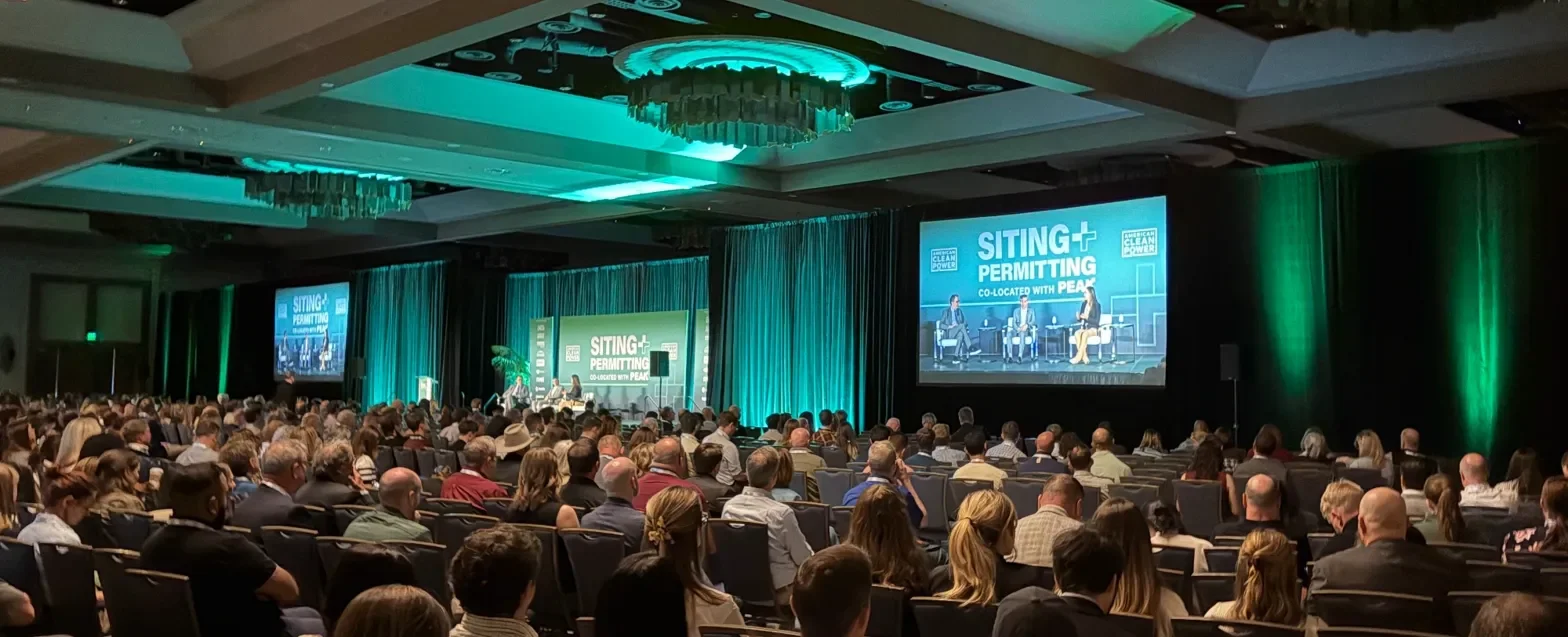
The ACP Siting & Permitting Conference drew a packed room in Aurora, Colorado — a signal of an industry that isn't standing still.
Nobody in those sessions or connecting during breaks was pretending the federal policy environment is friendly. The last year has tested the industry's patience, its project economics, and in some cases its basic ability to operate. That came through clearly in the sessions and conversations.
But something else came through just as clearly: the structural case for clean energy has never been stronger. Data centers are driving an electricity demand surge that the grid wasn't built to handle, and clean energy — particularly solar and storage — can deliver new capacity faster and cheaper than almost anything else on the menu. When the biggest drivers of load growth are hyperscalers signing 1+ GW PPAs and accelerating electrification across the economy, and your biggest competitive advantage is speed to deployment, federal roadblocks are a serious headwind but far from the fatal blow some might have feared (or wanted).
The room knew this. And it showed.
Forged in Offshore Wind.
One of the more interesting undercurrents at this conference was how many people I recognized from offshore wind, seasoned professionals who rode that sector's rise, navigated its recent turbulence, and have landed in new roles across onshore solar, storage, wind, and transmission (myself included). They brought something with them: a particular kind of determination that comes from having fought hard for approvals in some of the most complex regulatory environments in the country. And a fierce determination to continue to develop and deploy clean energy across the country.
That experience doesn't disappear when a sector hits a rough patch. It migrates. And the broader clean energy industry is the beneficiary.
The bar for financial close is higher. That raises the stakes of getting things right.
Perhaps the less obvious but most consequential shift I heard was the rising proof-of-concept bar before financial close. Some lenders and financiers are demanding more complete designs, more ironclad permit packages, and less ambiguity before they commit capital. Development costs before financial close (DEVEX) are under intense scrutiny.
This is a discipline that cuts both ways. It slows some projects. But it also raises the value of getting permitting right the first time — of front-loading the regulatory intelligence, the agency relationships, and the stakeholder groundwork that turns a conditional approval into a bankable one. The firms and consultants who can deliver that efficiently are increasingly differentiated.
AI is in the room — but not yet in the workflow.
Interest in AI tools for siting and permitting was a consistent theme at this conference. Genuine curiosity, real questions, active conversations. What I didn't hear much of yet was widespread adoption, with many teams are still running largely manual processes for regulatory research, permit tracking, and critical issues analysis, and experimenting with new AI tools developed internally or brought on from software developers.
That gap between awareness and implementation is closing. The economics are compelling, especially as DEVEX pressure mounts and the cost of permitting surprises rises. And the speed of opposition and disinformation campaigns that are also using AI adds to the urgency of keeping pace with technological change. The firms that close that gap first will have a meaningful advantage. That's not a prediction. It's what the room was telling anyone willing to listen carefully.
The horses keep running.
Transitions are like that. The bronze herd outside the Gaylord looks frozen. But the real ones never stopped moving. Yesterday's conference reminded me that the people building the clean energy future aren't frozen either. They're heads down, adapting, and moving forward.
That's not naïve optimism. It's something more durable.
Chris Rodstrom is the Founder and Principal Consultant of CBR Energy Solutions, a clean energy development, siting, and permitting consultancy based in Stow, MA. He attended the 2026 ACP Siting & Permitting Conference in Aurora, CO.